SHALOM · SIM & eSIM

10 places you must not miss in Israel

Israel is full of places that touch the soul: the holy sites of our people and landscapes already described in the Tanach. Here are ten places worth visiting as a family, with what you should know before you set out.

All the places, by topicCalendar: what happens during your stay

The Kotel (Western Wall)
Jerusalem
Banias Waterfall (Hermon Stream Nature Reserve)
Golan Heights
Rosh HaNikra Grottoes
Northern coast

The 10 must-sees

The Kotel (Western Wall)

Jerusalem

1. The Kotel (Western Wall)

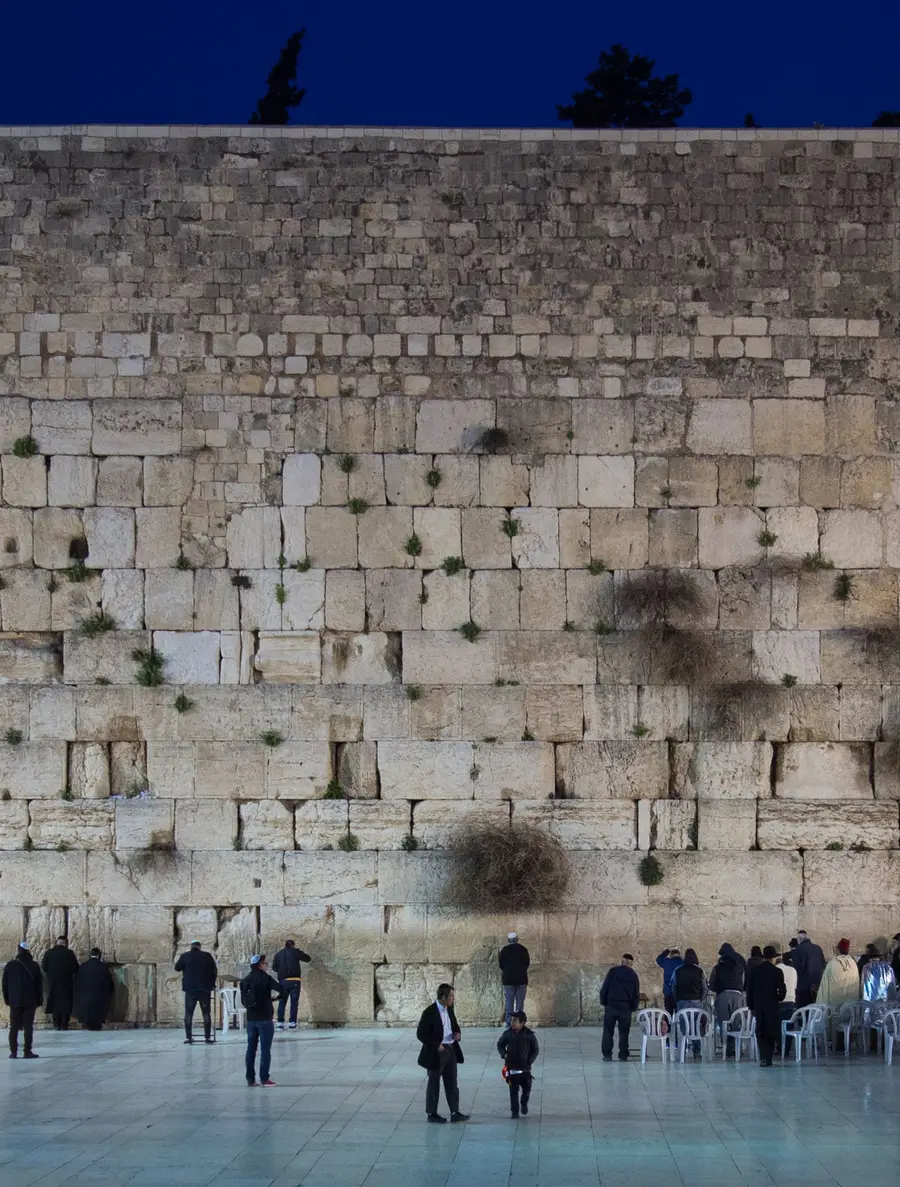
The holiest place of Jewish prayer, open day and night.

What it is

It is the last remnant of the wall that surrounded the Temple Mount. Families come to daven, tuck a note between the stones and join the big moments of the year, such as Birkat Kohanim on Chol HaMoed. Underground, the Western Wall Tunnels follow the wall to the point closest to the site of the Holy of Holies.

History

The Kotel is part of the retaining wall of the Temple Mount, built in the Second Temple period. Chazal teach that the Shechinah never departs from the Western Wall (Shemot Rabbah 2:2). For generations Jews came here to mourn the destruction and pray for the redemption.

How to get there

In Jerusalem public transport is easiest: the light rail takes you near the Old City and you continue on foot; buses also run to the Dung Gate area. Check Moovit or the operator before travelling. Parking is scarce, and on crowded days the Old City is closed to private cars. Entry is free, with a security check. The Tunnels are by booked guided tour only.

Tip: Modest dress, with separate sections for men and women. For Birkat Kohanim on Chol HaMoed Sukkot and Pesach, come very early: the plaza fills up and entrances may close. The exact days are posted on thekotel.org. Book the Tunnels weeks ahead, since Chol HaMoed tours sell out.

Official site
Jerusalem's Old City and the City of David

Jerusalem

2. Jerusalem's Old City and the City of David

Walk the lanes where Jerusalem's story began.

What it is

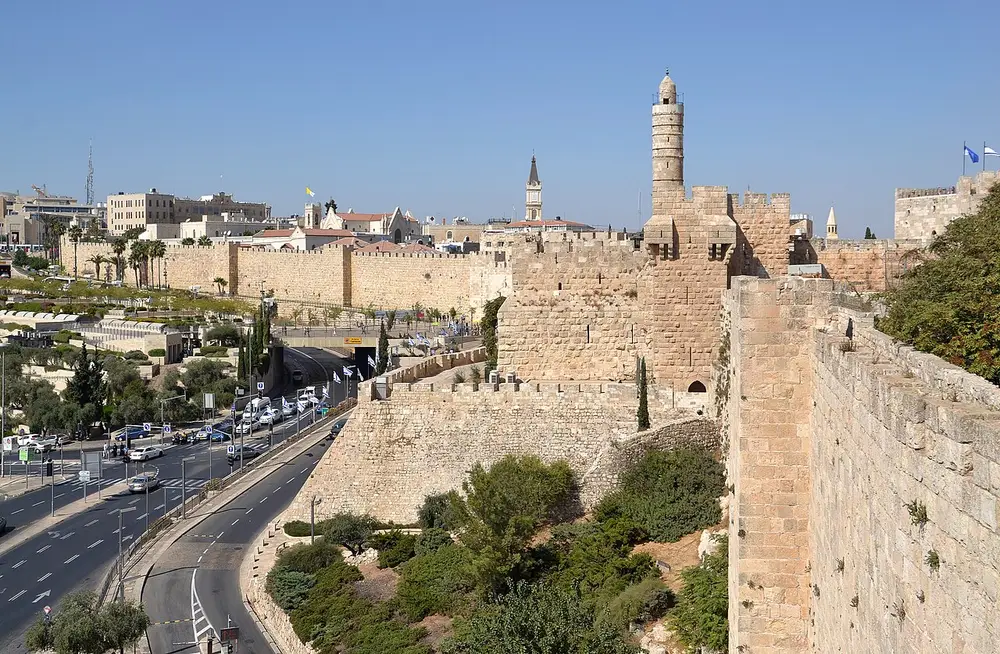
Inside the walls is the Jewish Quarter, with its synagogues, the Cardo and lookouts over the Kotel. Just outside, down from the Dung Gate, is the City of David, the archaeological site of biblical Jerusalem. Children love wading through King Chizkiyahu's water tunnel.

History

King David captured the stronghold of Zion and made it his capital (II Shmuel 5). King Chizkiyahu cut a tunnel to bring the water of the Gichon spring into the city (II Melachim 20:20; II Divrei HaYamim 32:30). The walls you see today were built by the Ottomans in the 16th century.

How to get there

Same as for the Kotel: light rail or bus, then on foot; check Moovit or the operator before travelling. The City of David is outside the Dung Gate, in Silwan (East Jerusalem), and has its own security. Entry is paid and booked on the official site. The wet tunnel has water up to about 70 cm: bring water shoes and a change of clothes. There is also a dry tunnel.

Tip: In Chizkiyahu's tunnel, a long skirt or trousers that can get wet keep things modest. Start the wet tunnel at least an hour before closing; flashlights and water shoes are sold on site. On Chol HaMoed the City of David runs special family activities.

Official site
Kever Rachel (Rachel's Tomb)

Between Jerusalem and Bethlehem

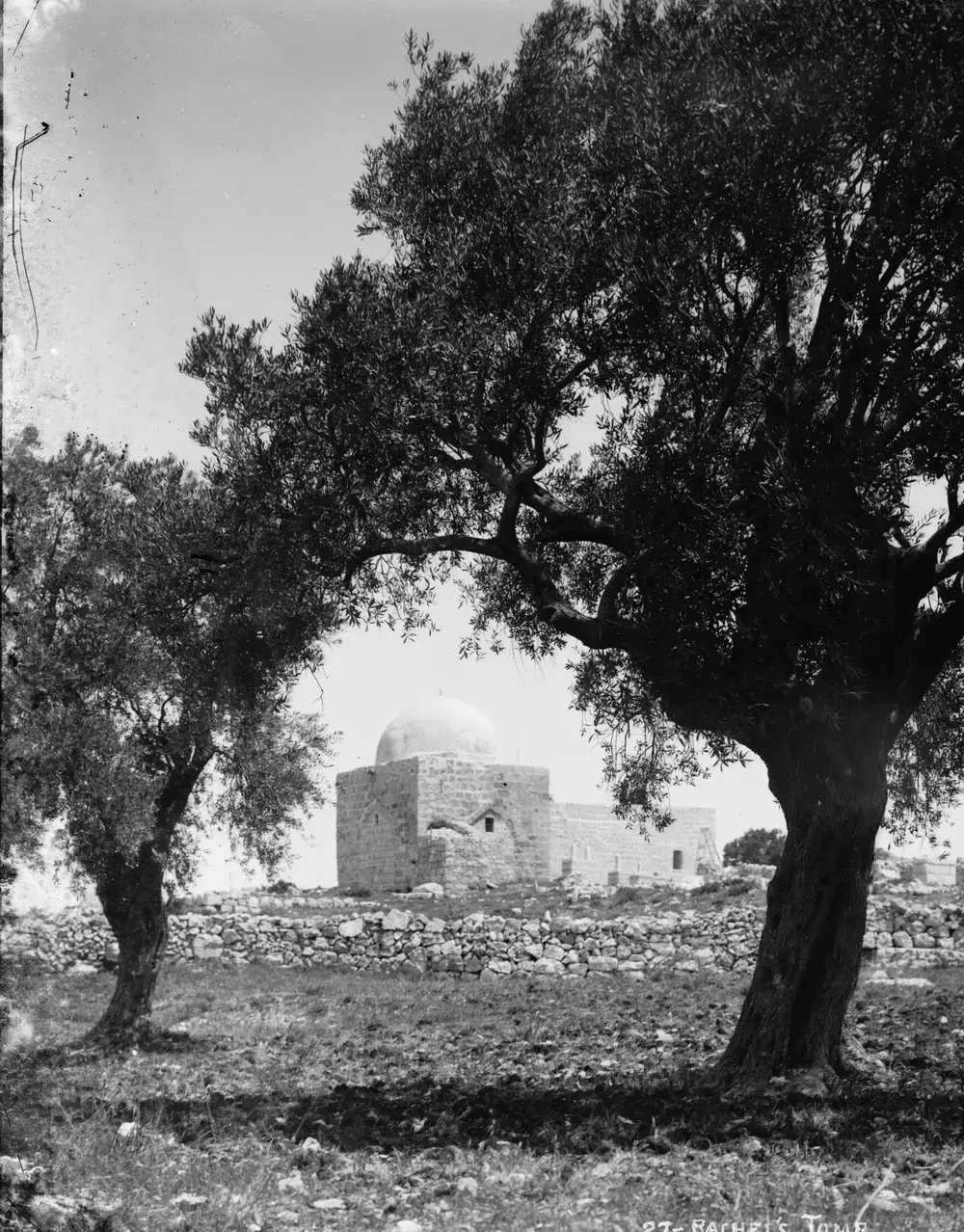
3. Kever Rachel (Rachel's Tomb)

Where Rachel Imeinu prays for her children.

What it is

Rachel Imeinu's tomb is one of the most beloved places of prayer, especially for children, health and shidduchim. There are minyanim through the day and a kollel learning there day and night.

History

The Torah tells that Rachel died on the road to Efrat, and Yaakov buried her there and set up a matzeivah (Bereishit 35:19–20). Rashi explains that he buried her by the road so she would pray for her children as they went into exile. And the prophet Yirmiyahu promises: "There is hope for your future, and the children shall return to their border" (Yirmiyahu 31:16).

How to get there

It is reached by a protected road from southern Jerusalem. The usual way is the armored bus from the Jerusalem Central Bus Station; check the line and times on Moovit or with the operator before travelling. Organized transport is another option. Private cars are sometimes restricted, and on 11 Cheshvan cars are barred and special shuttles run.

Tip: Separate sections and modest dress. On 11 Cheshvan, Rachel Imeinu's yahrzeit, tens of thousands come: for a quieter visit, choose another day. There is no bus on Shabbat.

Me'arat HaMachpela (Cave of the Patriarchs)

Hebron

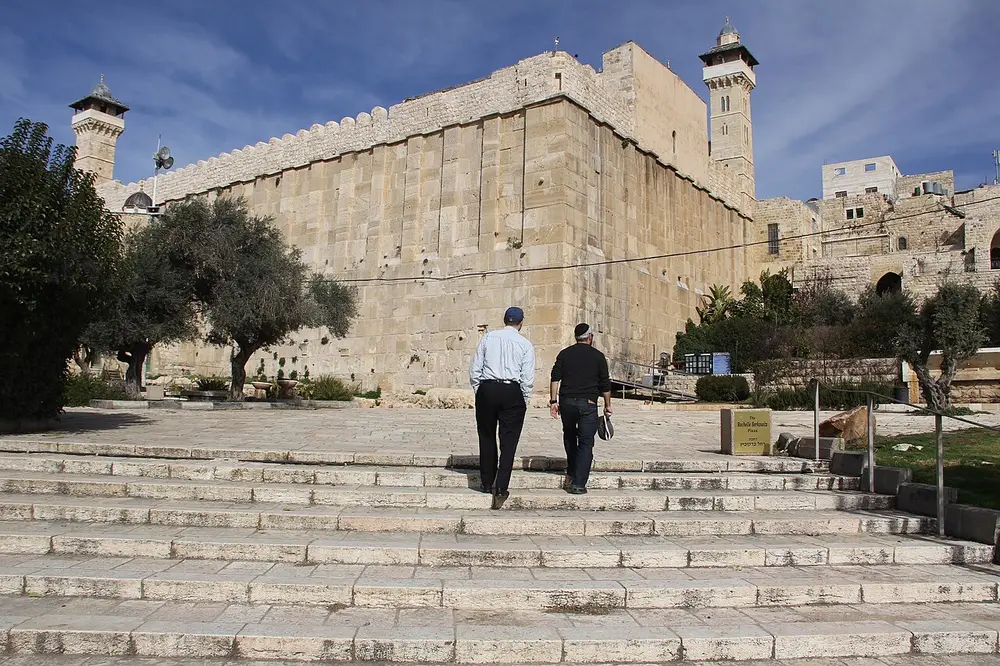
4. Me'arat HaMachpela (Cave of the Patriarchs)

Where the Patriarchs and Matriarchs rest.

What it is

Avraham, Yitzchak and Yaakov, Sarah, Rivkah and Leah are buried here, inside a massive Herodian building. It is the second holiest site in Judaism and a deeply moving visit for the whole family.

History

Avraham bought the cave and field from Efron the Hittite for four hundred shekels of silver to bury Sarah (Bereishit 23). The other Patriarchs and Matriarchs were buried there too (Bereishit 49:31). According to Chazal, Adam and Chavah also rest there, hence the name Kiryat Arba. King David reigned in Hebron before moving to Jerusalem.

How to get there

The best options are an organized tour from Jerusalem (for example, the Hebron Fund's) or the armored bus from the Jerusalem Central Bus Station; check the line and times on Moovit or with the operator before travelling. By car, take Route 60 south past Kiryat Arba, and check the security situation first. It is a military-controlled area: follow the soldiers' instructions.

Tip: Most of the year Jews can enter only part of the building; on a few special days a year the whole site opens: check that year's list. On Shabbat Chayei Sarah tens of thousands come, so book lodging well in advance. Modest dress and separate sections.

Official site
Tomb of Rabbi Shimon bar Yochai, Meron

Upper Galilee

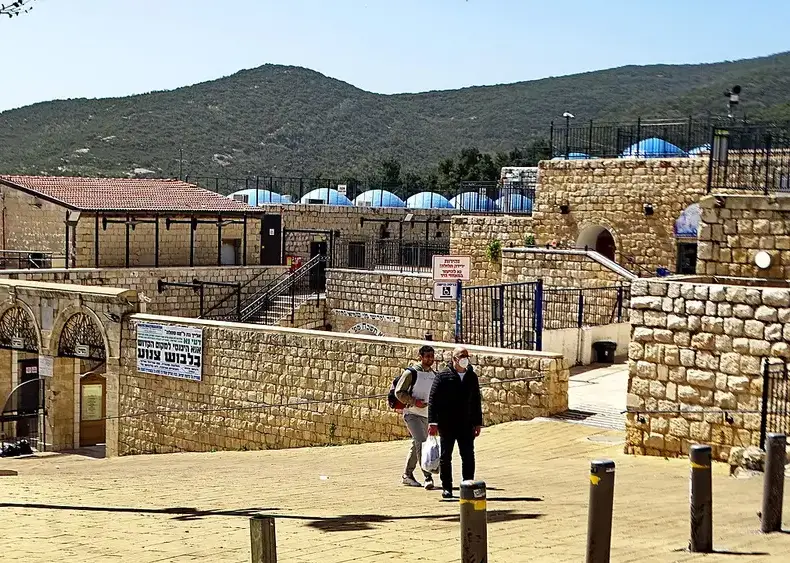
5. Tomb of Rabbi Shimon bar Yochai, Meron

The Rashbi, the Zohar and the great Lag BaOmer hilula.

What it is

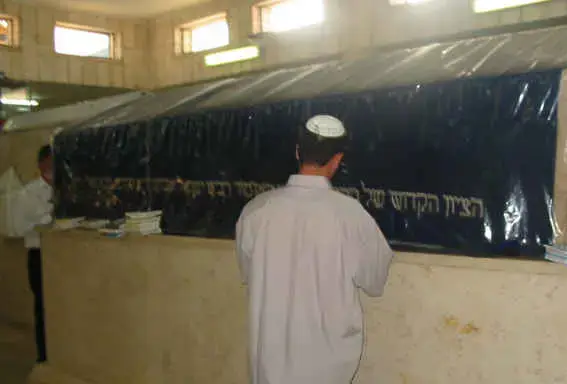
Rabbi Shimon bar Yochai and his son, Rabbi Elazar, are buried here. People come all year to pray and light candles, and it is the center of the Lag BaOmer hilula, with bonfires and boys' first haircuts (upsherin). Hillel HaZaken and other Tannaim are buried on the same mountain.

History

Rabbi Shimon bar Yochai was a Tanna and a student of Rabbi Akiva. The Talmud tells that he hid from the Romans in a cave with his son for thirteen years, learning Torah (Shabbat 33b). By tradition, the Zohar carries his teaching, and Lag BaOmer is the day of his hilula.

How to get there

Meron is about 15 minutes from Tzfat. By car it is roughly 3 hours from Jerusalem and 2 from Tel Aviv; Waze will give you the best route. Buses run from Tzfat and from central Israel; check Moovit or the operator before travelling. On Lag BaOmer access is set each year by the police (in 2026 the hilula was effectively cancelled for security reasons): check the official announcements.

Tip: On ordinary days it is calm and open day and night, with separate sections. Combine it with Tzfat and Amuka. Meron is near the Lebanese border: before travelling, check the Home Front Command (Pikud HaOref) guidelines.

Tzfat: the old city, its synagogues and the old cemetery

Upper Galilee

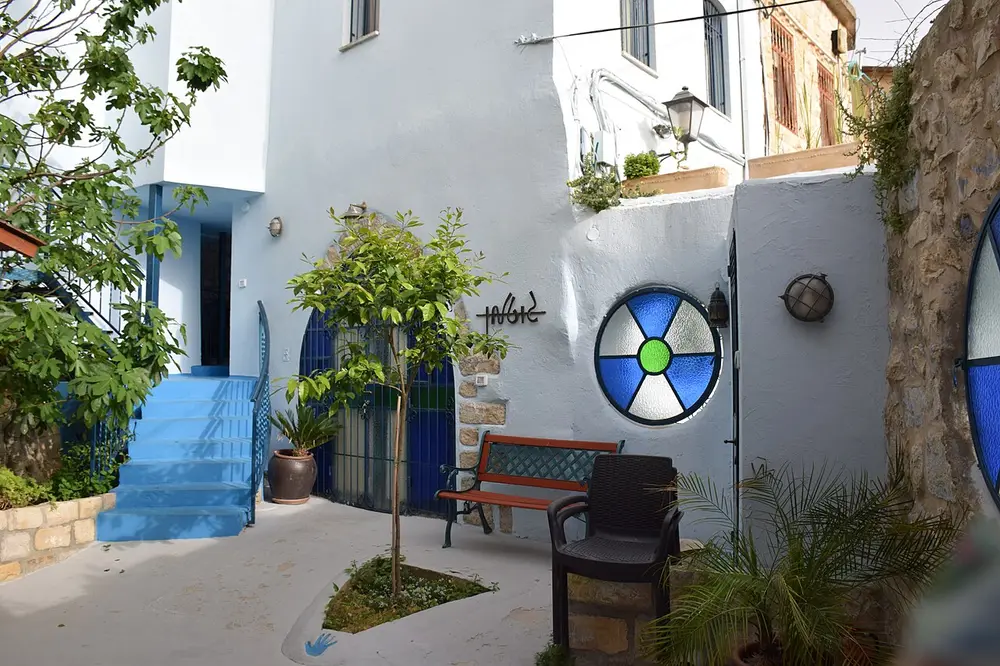
6. Tzfat: the old city, its synagogues and the old cemetery

The city of the Kabbalists, where Lecha Dodi was born.

What it is

Stone alleys full of old synagogues, art galleries and Judaica shops. Families visit the Ari synagogue, built where the Ari welcomed Shabbat, and the Abuhav synagogue. On the slope below lies the old cemetery, with the graves of the Ari HaKadosh, Rabbi Yosef Karo and many other tzaddikim.

History

In the 16th century Tzfat was the great center of Torah and Kabbalah. The Ari HaKadosh lived here, as did Rabbi Yosef Karo, author of the Shulchan Aruch, the Ramak, and Rabbi Shlomo Alkabetz, who composed Lecha Dodi. The Abuhav synagogue keeps an old Sefer Torah attributed to Rabbi Yitzchak Abuhav.

How to get there

By car it is under an hour from Tiberias and about 2 to 3 hours from Jerusalem or Tel Aviv; Waze will show you the route. Buses run to Tzfat from Jerusalem and from central Israel; check Moovit or the operator before travelling. The synagogues are free to enter (donations welcome) and visiting hours are limited: check before you go.

Tip: The synagogues are places of prayer: dress modestly, and on Shabbat and Yom Tov they are closed to tourists. There are many steps, hard going with a stroller. Kohanim should ask their rav before entering the cemetery. The Ari's mikveh is for men only.

Tiberias and the Kinneret

Galilee

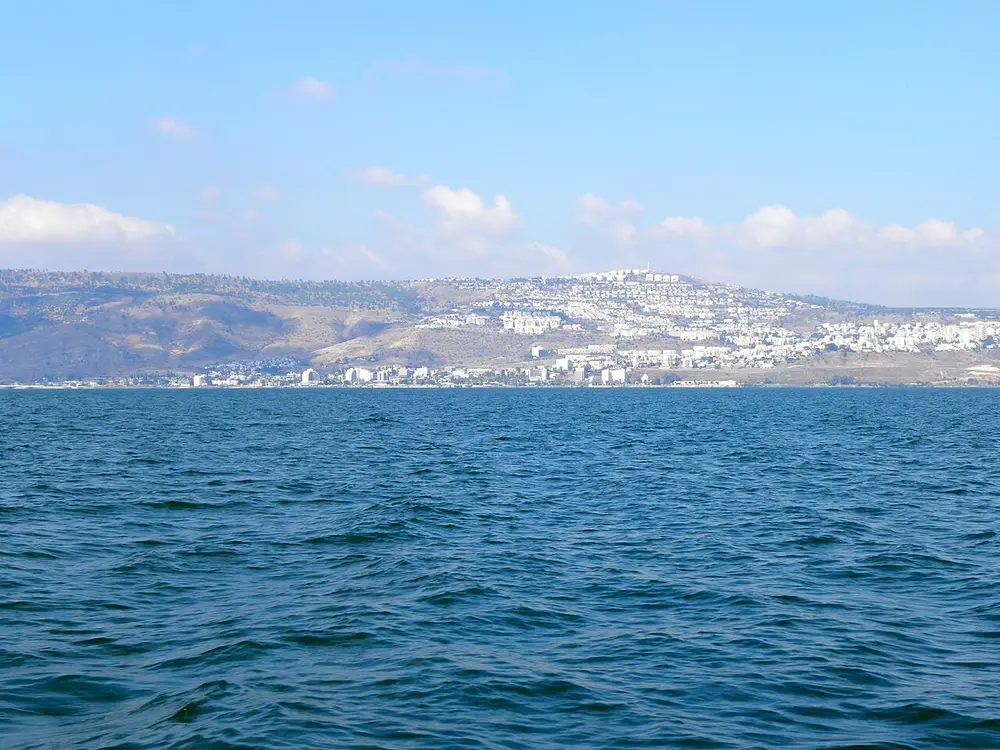
7. Tiberias and the Kinneret

Graves of great tzaddikim on the shore of the Kinneret.

What it is

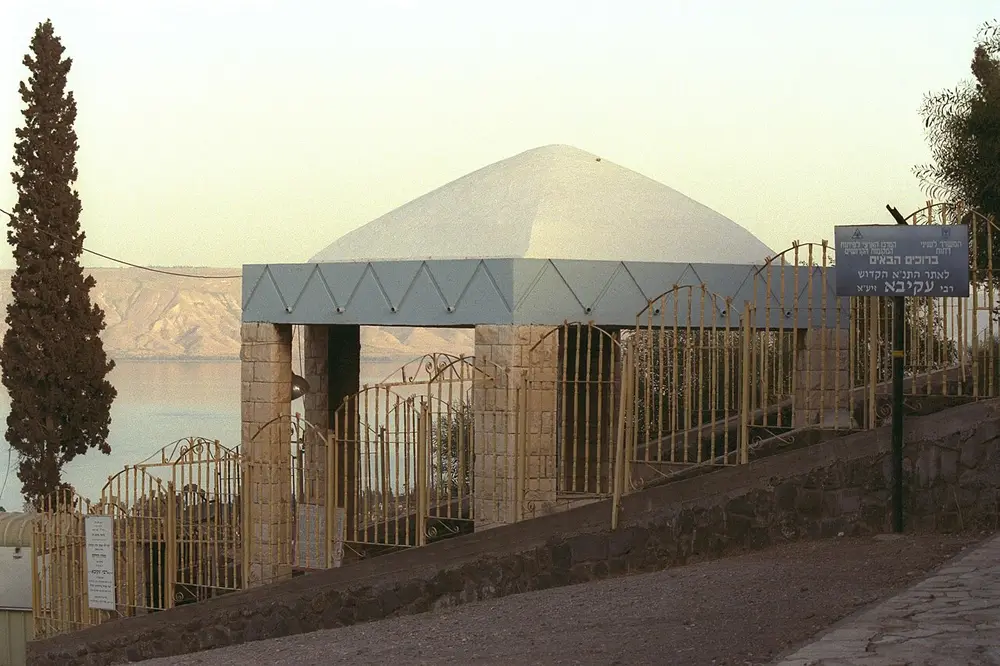
Tiberias combines kivrei tzaddikim with rest by the lake. Families pray at the Rambam's tomb in the city center, at Rabbi Meir Baal HaNes above the hot springs south of town, and at Rabbi Akiva on the hillside. Below Rabbi Meir there is a separate Kinneret beach, with men's and women's sides open at the same time.

History

Tiberias is one of the four holy cities. The Sanhedrin sat here at the last of its wanderings (Rosh Hashanah 31b), and much of the Jerusalem Talmud took shape here. By tradition, the Rambam, who passed away in Egypt, was buried here. Rabbi Meir is called "Baal HaNes" for the miracle tied to his name (Avodah Zarah 18a), and people give tzedakah in his merit.

How to get there

By car, about 2 hours from Jerusalem via Route 90 along the Jordan Valley, about 2 from Tel Aviv, and around 1 from Haifa. Direct buses run from Jerusalem and Tel Aviv; check Moovit or the operator before travelling. The Rambam's tomb is a few minutes' walk from the promenade; Rabbi Meir and Rabbi Akiva are best reached by car or taxi. The separate beach charges an entrance fee.

Tip: The separate beach is closed on Shabbat and is stony: bring water shoes, and check hours and price before you go. Rabbi Meir is packed on Pesach Sheni (14 Iyar) and the Rambam in the week of 20 Tevet. Modest dress and separate sections at all the graves.

Banias Waterfall (Hermon Stream Nature Reserve)

Golan Heights

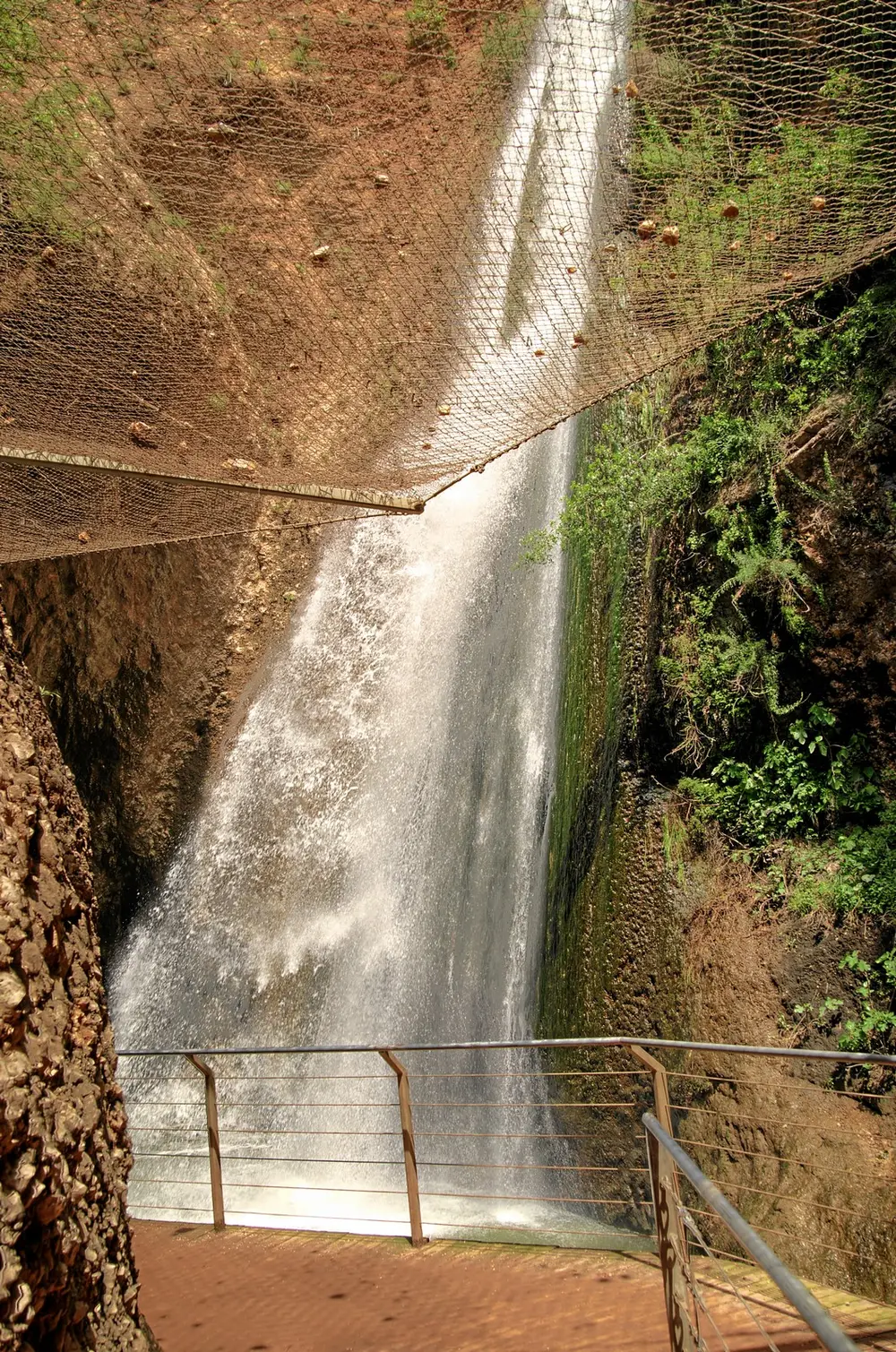
8. Banias Waterfall (Hermon Stream Nature Reserve)

A source of the Jordan and a mighty waterfall at the foot of the Hermon.

What it is

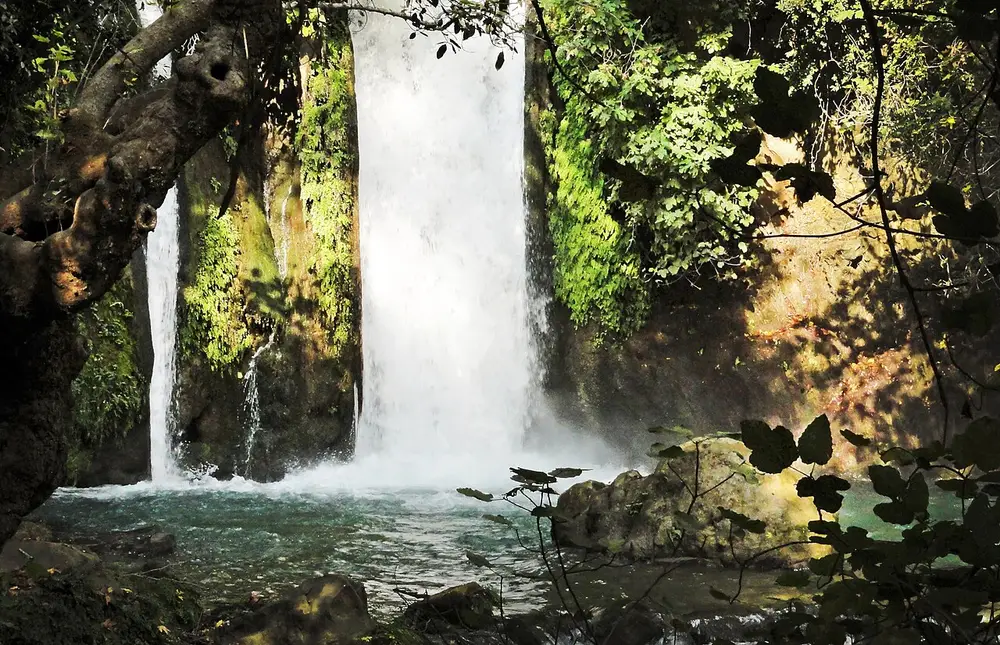
Water from Mount Hermon bursts out at the Banias springs and rushes through a green canyon to a waterfall about ten meters high, the country's largest according to the Parks Authority. A hanging trail above the stream, shady paths and an old water mill make it a perfect family outing.

History

The Hermon Stream is one of the sources of the Jordan River. The Mishnah mentions the "cave of Pamias" (Parah 8:11) and the Talmud teaches that "the Jordan issues from the cave of Pamias" (Bechorot 55a). The reserve holds ruins of ancient Paneas from the time of Herod and his sons, and a Jewish community lived there in the Middle Ages.

How to get there

The reserve has two entrances with parking: the springs, and the waterfall with the hanging trail. It is on Route 99, about 15 minutes from Kiryat Shmona; in Waze, search "Hermon Stream (Banias) Nature Reserve". By public transport, take a bus to Kiryat Shmona and then a taxi; check Moovit or the operator before travelling. Entry is paid, and the Parks Authority asks visitors to book on its website.

Tip: Going into the water is forbidden. The trail from the springs to the waterfall takes about an hour and a half and ends at the other entrance: leave a car waiting there, or do just the hanging-trail loop (about 45 minutes). In winter the paths can be slippery. It closes earlier on Fridays and holiday eves.

Official site
Ein Gedi and the Dead Sea

Dead Sea

9. Ein Gedi and the Dead Sea

A desert oasis where David hid from Shaul.

What it is

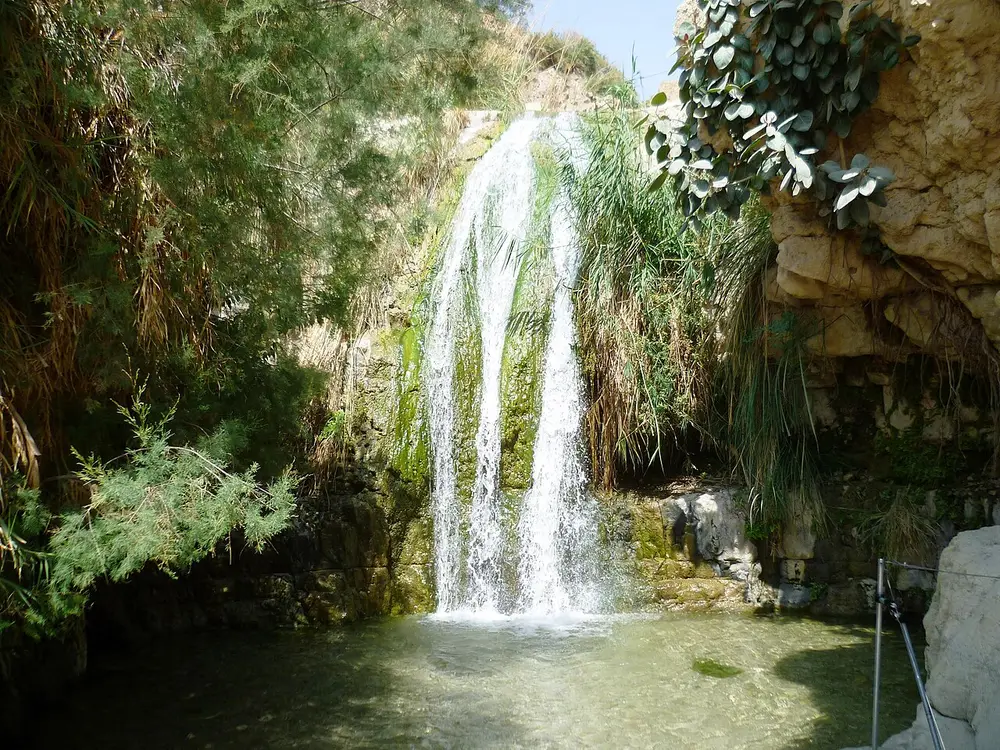
The Ein Gedi reserve is an oasis of waterfalls, pools and ibex. The Nachal David trail is easy and child-friendly, and its first 400 meters are stroller-accessible. The Dead Sea, the lowest point on earth, is right nearby; further south, at Ein Bokek, there is a municipal beach with full separation for men and women.

History

When King Shaul pursued David, David hid in "the strongholds of Ein Gedi"; there he secretly cut the corner of Shaul's robe and spared his life (I Shmuel 24). Shir HaShirim mentions "the vineyards of Ein Gedi" (1:14), and the prophet Yechezkel foresees the day the waters of the Dead Sea will be healed, with fishermen standing from Ein Gedi (Yechezkel 47:8–10).

How to get there

From Jerusalem, drive east on Route 1 and then south on Route 90 along the Dead Sea: around an hour and a half. Buses run from Jerusalem to Ein Gedi and Ein Bokek; check Moovit or the operator before travelling. The reserve charges entry and has last-entry times, and trails can close after floods: check the Parks Authority website.

Tip: Come early: midday is very hot and Jewish holidays are crowded. Bring water and a hat. The Ein Bokek separate beach is closed on Shabbat and holidays, and it is a great choice in winter. In the Dead Sea, keep the water out of your eyes and drink plenty.

Official site
Rosh HaNikra Grottoes

Northern coast

10. Rosh HaNikra Grottoes

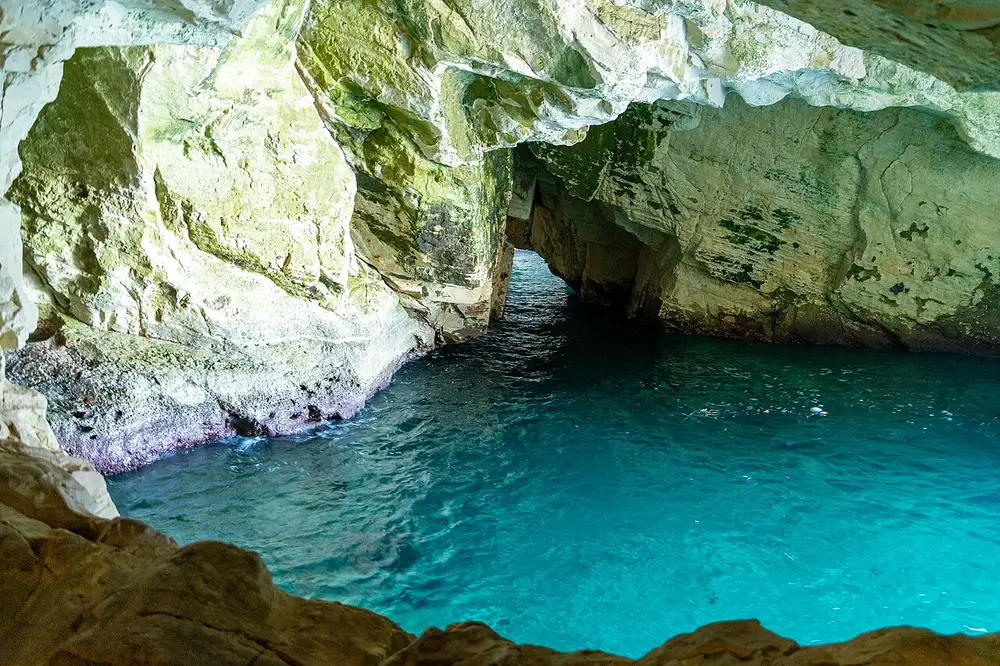
Turquoise sea grottoes in a white cliff at the northern tip of the coast.

What it is

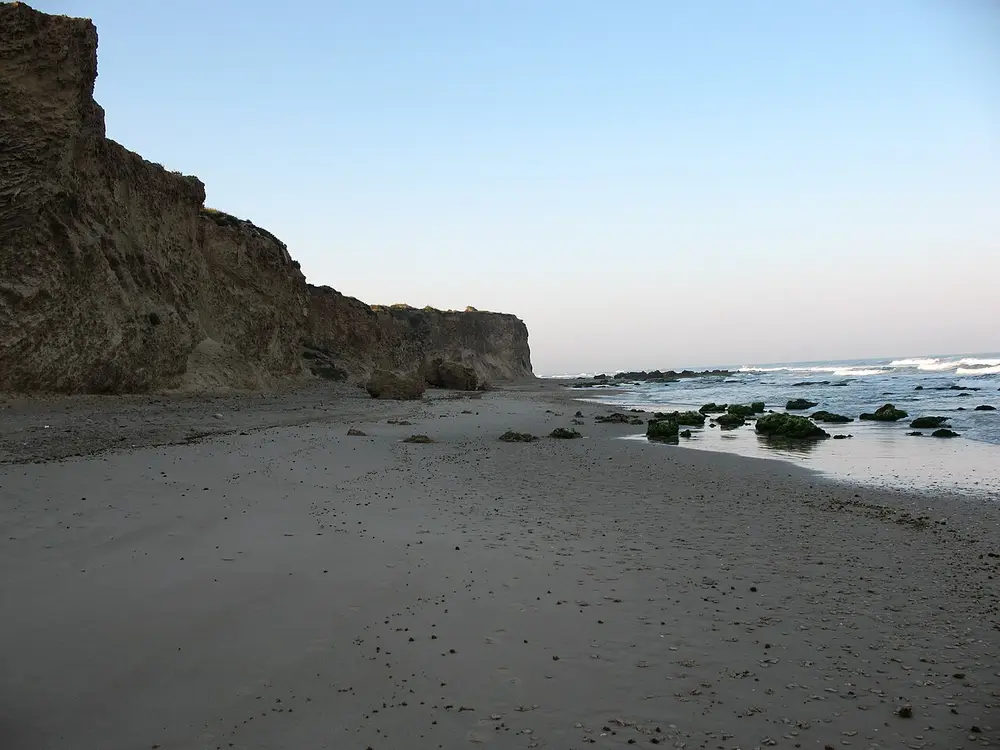
On the Lebanese border, the sea has carved grottoes into a white chalk cliff. A cable car takes you down, and you walk through passages beside the turquoise water. Children love it, and the view of the coast from the top is spectacular.

History

For a long time the grottoes could only be seen from the sea. The Haifa–Beirut railway, built by the British during World War II, ran through here; in 1948 the Palmach blew up the bridge to stop arms shipments, and the tunnels were sealed. In 1949 the armistice between Israel and Lebanon was signed here.

How to get there

It is at the end of Route 4, about 10 km north of Nahariya (around 15 minutes by car); under an hour from Haifa and around 2 hours from Tel Aviv. By public transport, take the train to Nahariya and then a bus or taxi; check Moovit or the operator before travelling. The cable car resumed operation in December 2025. Entry is paid: check hours and prices on the official website.

Tip: Go on a weekday morning to avoid the crowds. In stormy seas the cable car may stop. The site is right on the border: before travelling, check the Home Front Command (Pikud HaOref) guidelines.

Official site

All the places, by topic

Holy places and graves in Jerusalem

Beyond the Kotel and the Old City, Jerusalem has graves of tzaddikim visited all year round. Cemeteries are not visited on Shabbat, and kohanim should ask their rabbi.

Tomb of King David (Mount Zion)

Jerusalem – Mount Zion

Tomb of King David (Mount Zion)

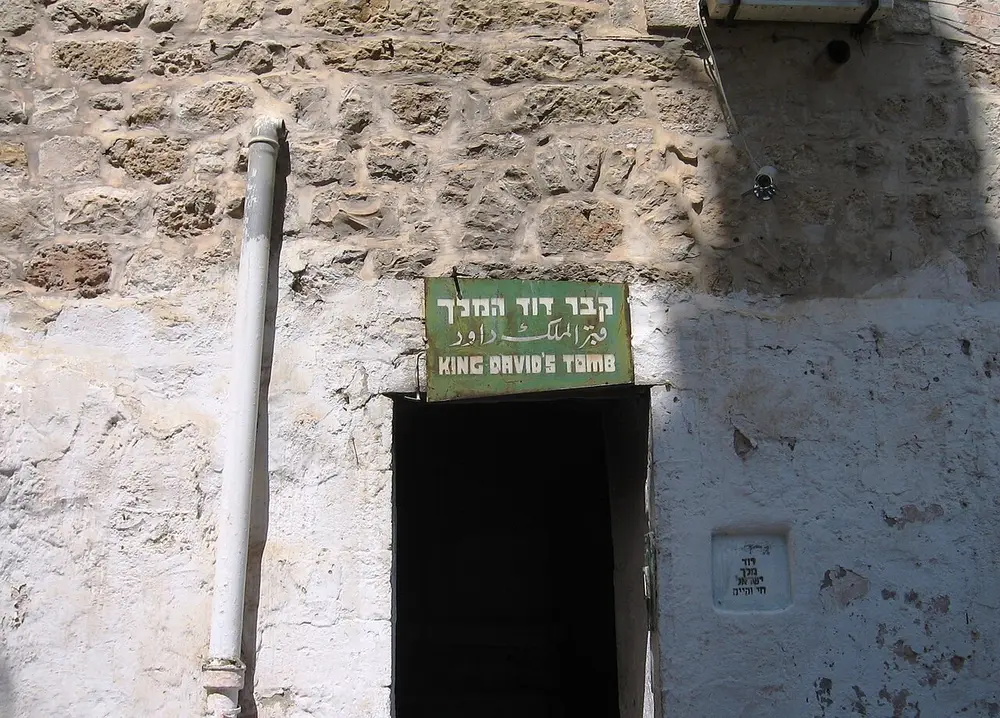
The traditional burial place of King David, by Zion Gate just outside the Old City walls. People come to say Tehillim, above all on Shavuot, his yahrzeit.

Hilula: 6 Sivan (Shavuot)

How to get there and tips

How to get there: On foot from the Kotel through Zion Gate, or by taxi to Zion Gate. The building is shared with a Christian site, so expect tourist groups.

Tip: Very crowded on Shavuot. Separate sections for men and women; modest dress, and men cover their heads. Hours vary and it closes early on Friday, so check before you go.

Mount of Olives Cemetery (Har HaZeitim)

Jerusalem – Mount of Olives

Mount of Olives Cemetery (Har HaZeitim)

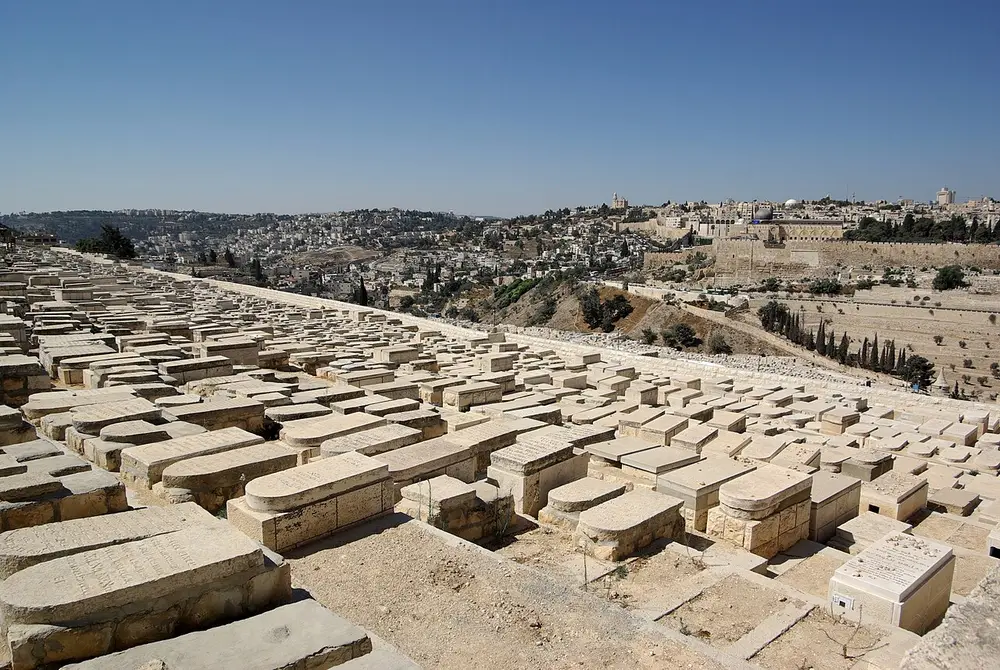
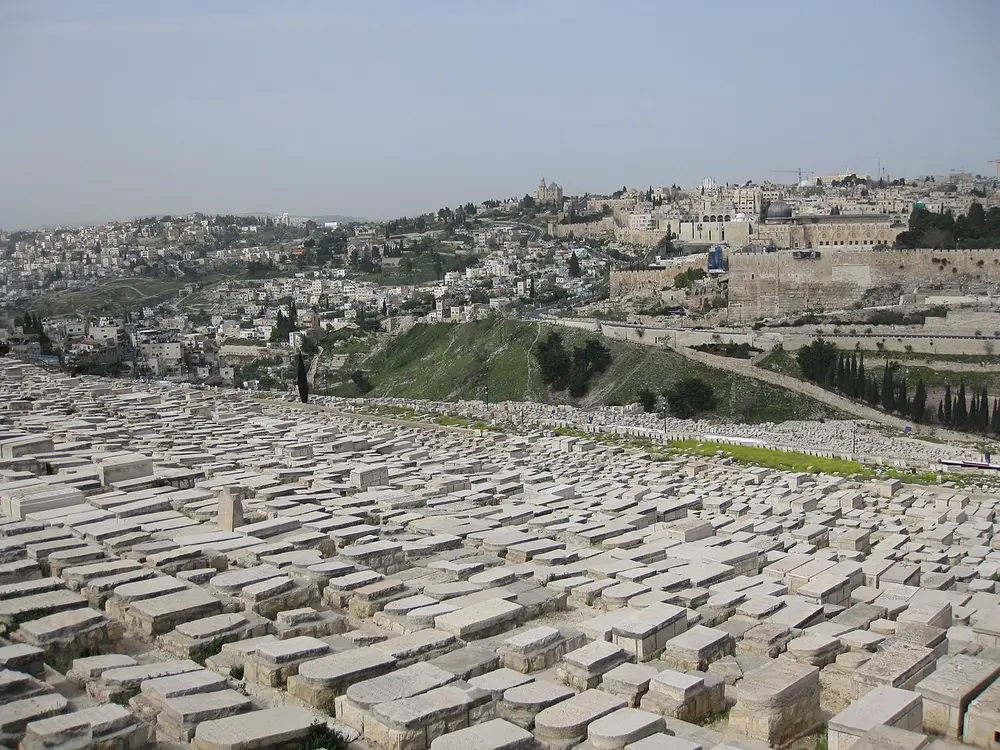
The oldest and most important Jewish cemetery, facing the Temple Mount. Great tzaddikim are buried here, among them the Ohr HaChaim HaKadosh and the Gerrer Rebbes.

How to get there and tips

How to get there: Go by car or taxi straight to the grave you want, and do not walk around alone. Locate the grave first on the cemetery website and ask there about current security arrangements.

Tip: Best by day, in a group or with a driver. Not visited on Shabbat. Kohanim should ask their rabbi before entering. Check the security guidance before you go.

Official site
Grave of the Ohr HaChaim HaKadosh (Rabbi Chaim ibn Attar)

Jerusalem – Mount of Olives

Grave of the Ohr HaChaim HaKadosh (Rabbi Chaim ibn Attar)

Grave of the great Moroccan-born Torah commentator, much loved by Sephardic and Chassidic families alike. It is in the Mount of Olives cemetery.

Hilula: 15 Tammuz

How to get there and tips

How to get there: By car or taxi to the Mount of Olives, or with an organized group. Follow the same security advice as for the whole cemetery.

Tip: The busiest day is his hilula on 15 Tammuz. Go by day, with a driver or in a group. Not visited on Shabbat.

Official site
Ohel of the Gerrer Rebbes (Beit Yisrael and Lev Simcha)

Jerusalem – Mount of Olives

Ohel of the Gerrer Rebbes (Beit Yisrael and Lev Simcha)

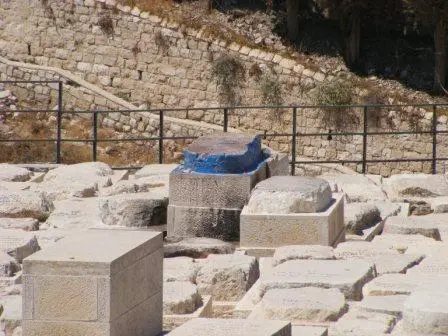
An enclosed burial cave on the Mount of Olives where two Gerrer Rebbes rest: the Beit Yisrael and the Lev Simcha. Thousands of Gur chassidim come on the Lev Simcha's yahrzeit.

Hilula: 7 Tammuz (Lev Simcha)

How to get there and tips

How to get there: Only by car or taxi, or with a group, and with security arranged in advance: the site has been a target of vandalism.

Tip: On the Lev Simcha's yahrzeit (7 Tammuz) entry may depend on the current Gerrer Rebbe's instructions. Not visited on Shabbat.

Tomb of Shimon HaTzaddik

Jerusalem – Shimon HaTzaddik neighborhood

Tomb of Shimon HaTzaddik

The traditional tomb of Shimon HaTzaddik, the Kohen Gadol quoted at the start of Pirkei Avot. It is Jerusalem's big Lag BaOmer gathering, with a bonfire and upsherin, for those who do not go to Meron.

Hilula: Lag BaOmer (18 Iyar), the busiest day

How to get there and tips

How to get there: North of the Old City; on ordinary days, by taxi. On the big days the police usually ask people not to drive, and shuttle buses run.

Tip: Lag BaOmer: tens of thousands; check police announcements. There is a police presence in the area; go by day or on the organized shuttles. Modest dress; separate sections.

Tomb of the Prophet Samuel (Kever Shmuel HaNavi)

Jerusalem – northwest of the city

Tomb of the Prophet Samuel (Kever Shmuel HaNavi)

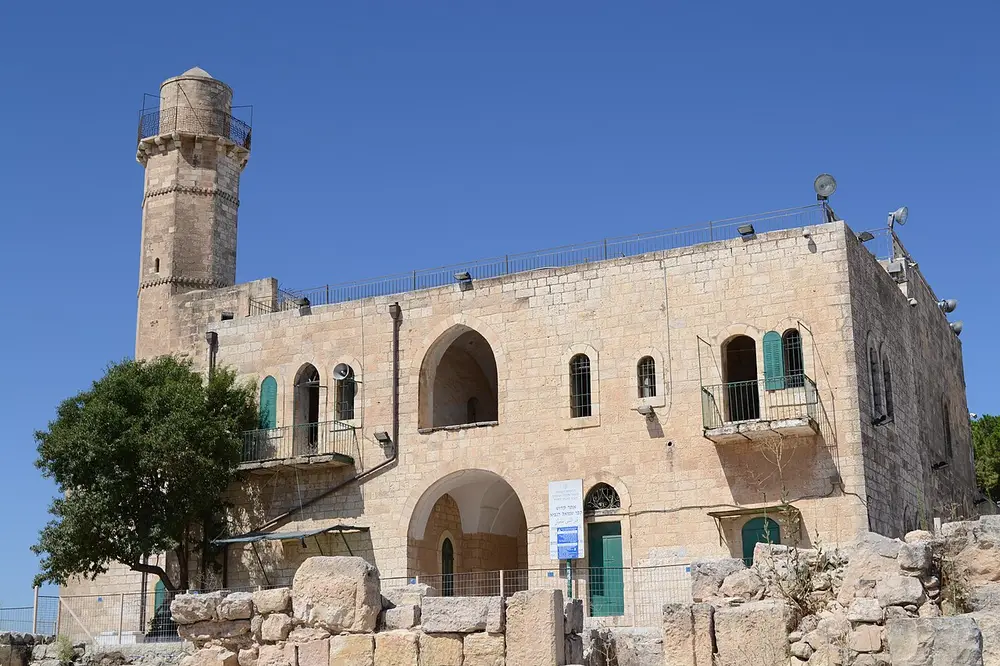
The traditional tomb of the prophet Samuel, on a hilltop with a panoramic view of Jerusalem. Jews pray in the cave on the lower level, by the tomb monument; there is a mosque upstairs.

Hilula: 28 Iyar

How to get there and tips

How to get there: By car or taxi. From Jerusalem, drive north on Golda Meir Blvd (Road 436); 0.5 km after Givat Ze'ev, turn right and follow the brown sign. It is a national park.

Tip: 28 Iyar (yahrzeit, also Yom Yerushalayim): tens of thousands. Per the park's page, the tomb is open almost round the clock on weekdays and closes on Friday before Shabbat; check first.

Official site
Grave of the Zvhiller Rebbe (Rabbi Gedalya Moshe Goldman)

Jerusalem – Givat Ram (Sheikh Badr cemetery)

Grave of the Zvhiller Rebbe (Rabbi Gedalya Moshe Goldman)

A small old cemetery between the Knesset and Sacher Park. The Zvhiller Rebbe's grave has become a much-visited place of prayer; some pray there on a Monday, Thursday and Monday in a row.

Hilula: 24 Cheshvan

How to get there and tips

How to get there: In central-west Jerusalem, near the Knesset and Sacher Park. Easy by city bus or taxi. Free entry.

Tip: The busiest day is his hilula on 24 Cheshvan. Many leave kvitlach (written requests). Modest dress. Not visited on Shabbat.

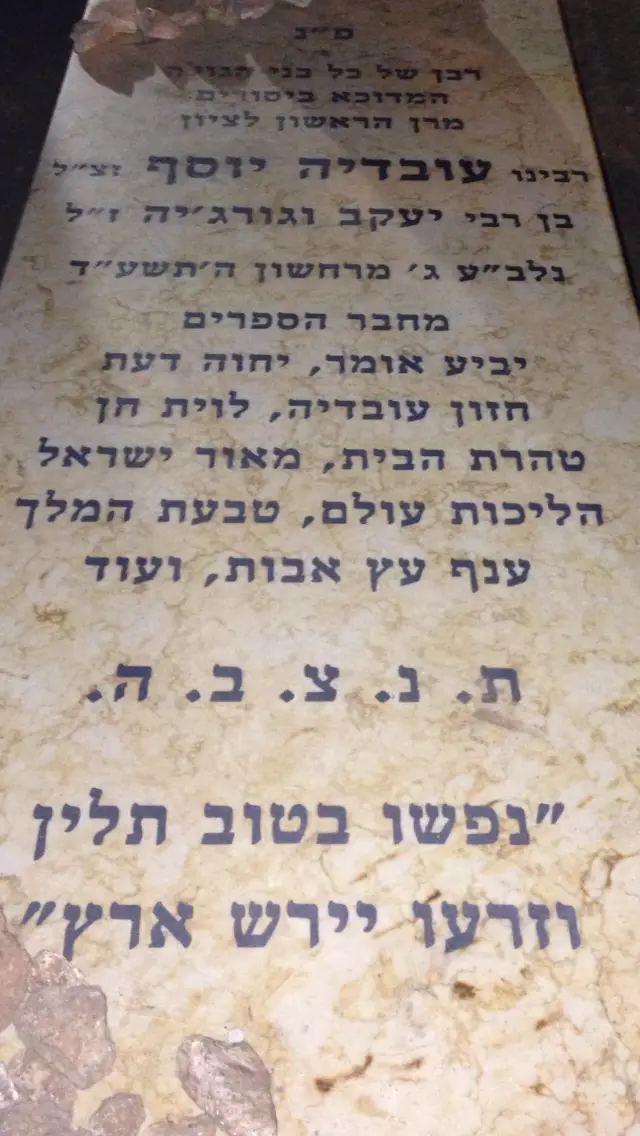
Grave of Maran Rav Ovadia Yosef

Jerusalem – Sanhedria cemetery

Grave of Maran Rav Ovadia Yosef

Grave of the great Sephardic posek, next to his wife, Rabbanit Margalit. A central place of prayer for Sephardic families.

Hilula: 3 Cheshvan

How to get there and tips

How to get there: In northern Jerusalem. The entrance is on Rabbi Blau Street, at the junction known as Tzomet Maran. Easy by taxi or city bus.

Tip: On the night of the hilula (3 Cheshvan) the cemetery is open all night and very busy. Visitors light candles. Not visited on Shabbat.

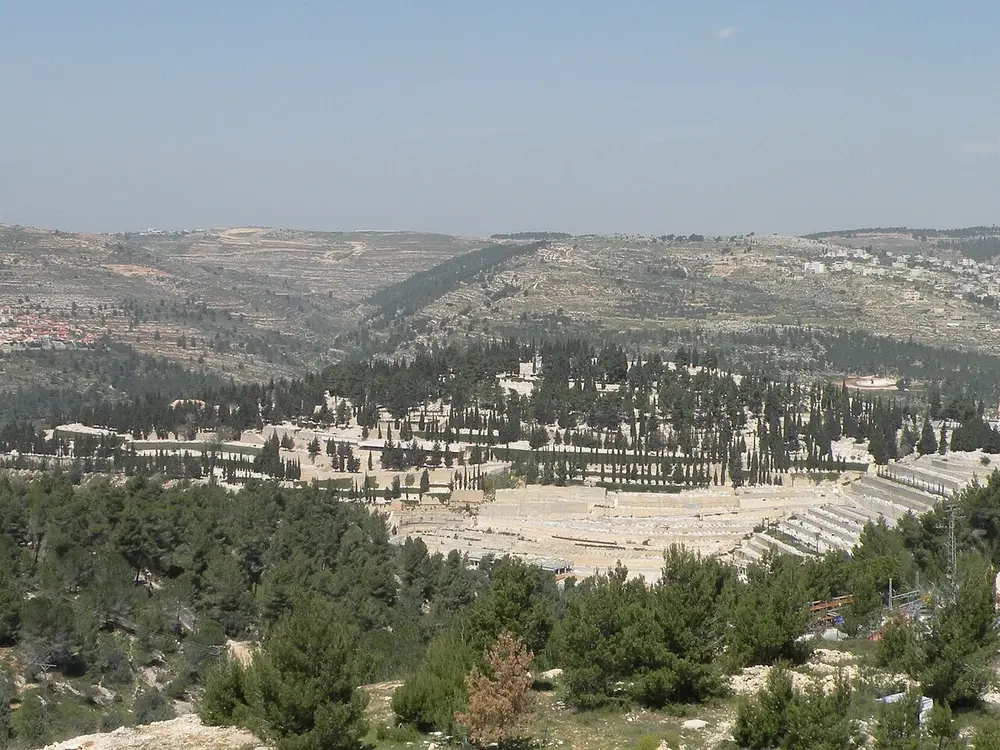
Har HaMenuchot Cemetery (Rav Elyashiv, Rav Kaduri, the Belzer Rebbe)

Jerusalem – Givat Shaul

Har HaMenuchot Cemetery (Rav Elyashiv, Rav Kaduri, the Belzer Rebbe)

Jerusalem's main cemetery, where many gedolim of recent generations rest, among them Rav Yosef Shalom Elyashiv, the kabbalist Rav Yitzchak Kaduri and Rabbi Aharon Rokeach of Belz.

Hilula: 29 Tevet (Rav Kaduri); 28 Tammuz (Rav Elyashiv); 21 Av (Rabbi Aharon of Belz)

How to get there and tips

How to get there: In Givat Shaul, western Jerusalem; by car or taxi. It is very large: get the exact section and row from the chevra kadisha or ask on site.

Tip: Busier on the yahrzeits: Rav Kaduri 29 Tevet, Rav Elyashiv 28 Tammuz, Rabbi Aharon of Belz 21 Av. Kohanim should ask their rabbi. Not visited on Shabbat.

Graves of tzaddikim in the Galilee

Beyond Meron, Tzfat and Tiberias, the Galilee is full of graves of Tannaim and tzaddikim. Many are in open or forest areas, so a car or taxi is best.

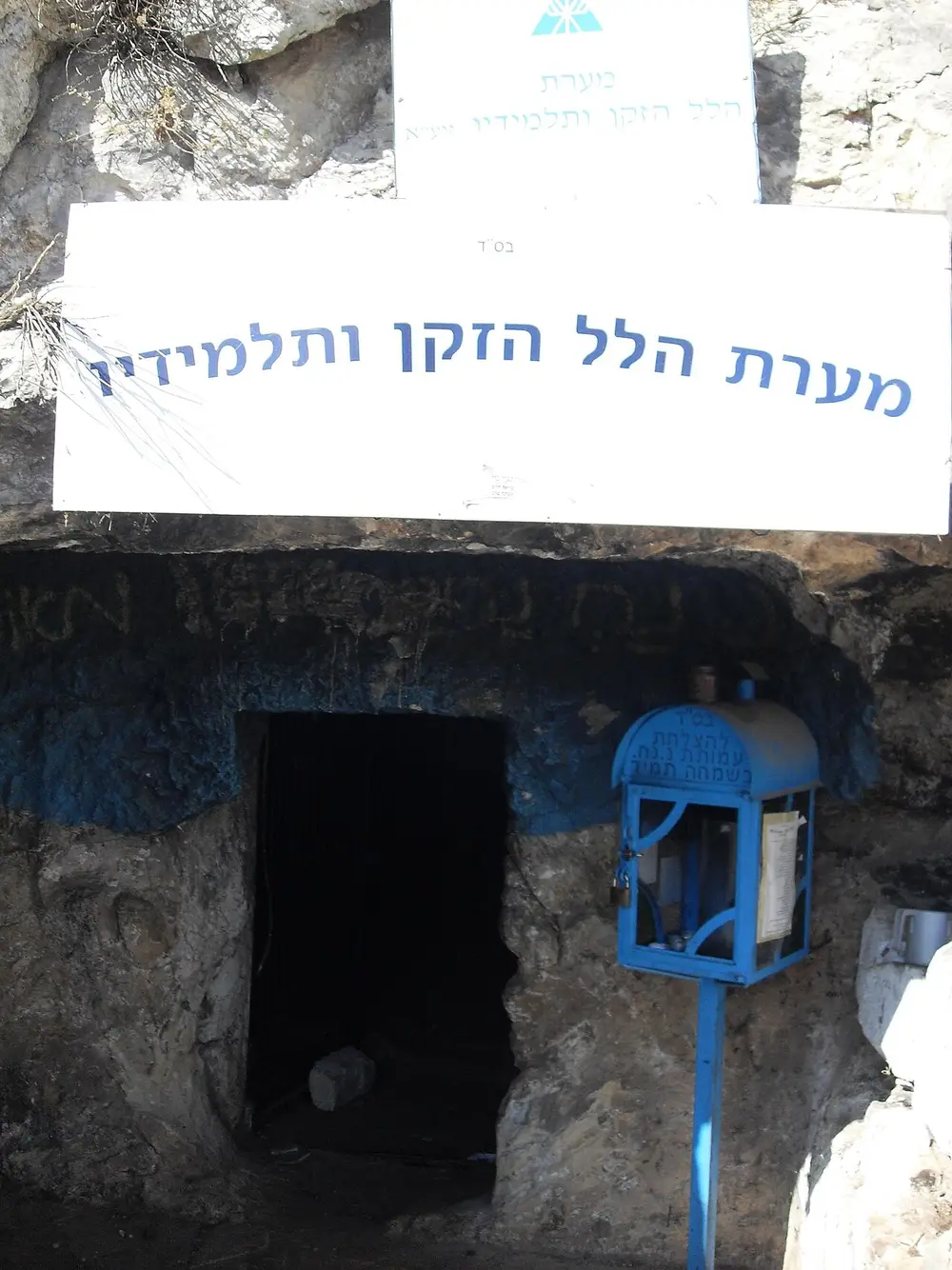
Tombs of Hillel and Shammai (Meron)

Meron – Upper Galilee

Tombs of Hillel and Shammai (Meron)

The burial cave of Hillel the Elder on the slope of Mount Meron, just behind and below the Rashbi's tomb. By tradition people pray here for long life and health. An old tradition places Shammai in a nearby monument.

How to get there and tips

How to get there: From the Rashbi complex in Meron, walk down behind the building; the path is uneven. Shammai's site is reached by the road past the Meron entrance; ask locally.

Tip: Calm on ordinary days. On Lag BaOmer access to Meron is set by the police each year. The area is near the northern border: check the Home Front Command before going.

Amuka – Tomb of Rabbi Yonatan ben Uziel

Amuka – near Tzfat

Amuka – Tomb of Rabbi Yonatan ben Uziel

Tomb of the Tanna Rabbi Yonatan ben Uziel, in the forest near Tzfat. By popular custom, singles come to pray for a shidduch and couples for children.

Hilula: 26 Sivan

How to get there and tips

How to get there: About 20–25 minutes' drive from Tzfat on narrow forest roads. There is very little public transport: go by car or taxi.

Tip: Very busy on his yahrzeit (26 Sivan) and on Tu B'Av (15 Av). Separate sections for men and women. Not visited on Shabbat.

Tomb of Benayahu ben Yehoyada

Biriya – next to Tzfat

Tomb of Benayahu ben Yehoyada

Tomb of King David's and King Solomon's general, identified by the Ari at Biriya on the edge of Tzfat. Many visitors to Tzfat stop here too.

How to get there and tips

How to get there: A short drive or taxi ride from Tzfat, in the Biriya area. Easy to combine with Amuka on the same outing.

Tip: Quiet most of the year. Modest dress. We found no reliable opening hours, so ask locally.

Tomb of Choni HaMe'agel

Hatzor HaGlilit – Upper Galilee

Tomb of Choni HaMe'agel

Tomb of Choni the Circle-Drawer, famous for his prayer for rain; the graves of his grandsons Abba Chilkiya and Chanan HaNechba are nearby. In dry years people come to pray for rain.

How to get there and tips

How to get there: In the town of Hatzor HaGlilit, Upper Galilee; by car or taxi. Sources describe free access and a small prayer building over the cave.

Tip: Quiet during the year. The date of his hilula differs between sources (3 or 5 Iyar). Modest dress; check access before going.

Tomb of Rabbi Akiva (and the Ramchal), Tiberias

Tiberias – western hillside

Tomb of Rabbi Akiva (and the Ramchal), Tiberias

Rabbi Akiva's tomb on the hillside above Tiberias, overlooking the Kinneret. According to most traditions the Ramchal (Rabbi Moshe Chaim Luzzatto) is buried beside him.

Hilula: 26 Iyar (the Ramchal)

How to get there and tips

How to get there: Uphill in western Tiberias: go by car or taxi from the city center.

Tip: Traditionally very busy on Erev Yom Kippur. The Ramchal's hilula: 26 Iyar. Separate sections; modest dress. Not visited on Shabbat.

Beit She'arim – Tomb of Rabbi Yehuda HaNasi

Lower Galilee – near Kiryat Tivon

Beit She'arim – Tomb of Rabbi Yehuda HaNasi

A national park with ancient catacombs. According to the Talmud's tradition, Rabbi Yehuda HaNasi, who compiled the Mishna, is buried here (a minority tradition places him in Tzippori).

Hilula: 15 Kislev

How to get there and tips

How to get there: About 10 minutes from central Kiryat Tivon. From Tel Aviv: Road 4 to Fureidis Junction, Road 70 to Yokneam Junction, Road 722 to HaShomrim Junction, then the first left.

Tip: On his hilula (15 Kislev) hundreds come through the night. The caves are cool, good on hot days. Kohanim should ask their rabbi before entering. Paid entry.

Official site
Center, south and Samaria

Bnei Brak and Netivot are easy to visit. Kever Yosef is different: only on organized visits coordinated with the army.

Bnei Brak: graves of the Chazon Ish, the Steipler and Rav Chaim Kanievsky

Bnei Brak – central Israel

Bnei Brak: graves of the Chazon Ish, the Steipler and Rav Chaim Kanievsky

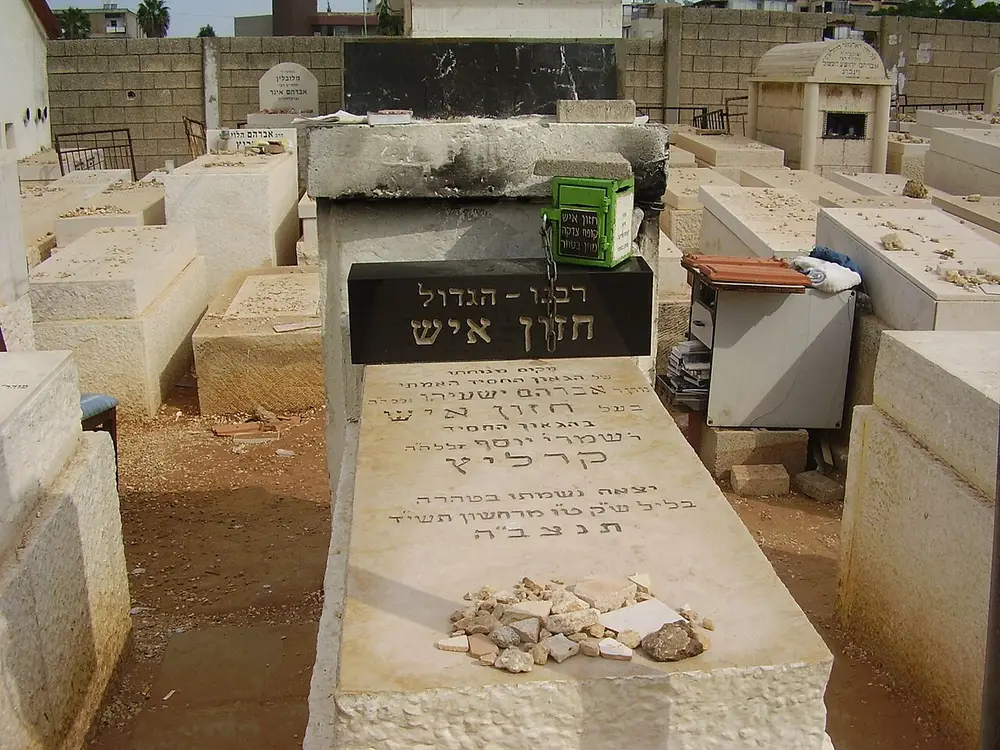
The Haredi city next to Tel Aviv. The Chazon Ish, the Steipler and Rav Chaim Kanievsky rest in the Shomrei Shabbos cemetery. Many also visit the great Ponevezh Yeshiva.

Hilula: 15 Cheshvan (Chazon Ish); 15 Adar, Adar II in a leap year (Rav Chaim Kanievsky); 23 Av (Steipler)

How to get there and tips

How to get there: Right next to Tel Aviv and Ramat Gan. Easy by bus or taxi from Tel Aviv or Jerusalem. At the cemetery, ask for exact directions to each grave.

Tip: Busier on the yahrzeits: Chazon Ish 15 Cheshvan, Rav Chaim 15 Adar, Steipler 23 Av. Strictly modest dress throughout the city. Streets close to traffic on Shabbat.

Tomb of the Baba Sali, Netivot

Netivot – Negev

Tomb of the Baba Sali, Netivot

Tomb of the great Moroccan tzaddik Rabbi Yisrael Abuhatzeira, the Baba Sali, with separate sections for men and women. One of the most visited sites in Israel, much loved by Sephardic families.

Hilula: 4 Shevat

How to get there and tips

How to get there: Netivot is in the Negev, about 90 km south of Tel Aviv. By car, or by intercity bus to Netivot and a taxi from there.

Tip: The hilula on 4 Shevat draws about 100,000 people, with a heavy police presence and rules that change every year. Before going, check the Home Front Command guidance for the area.

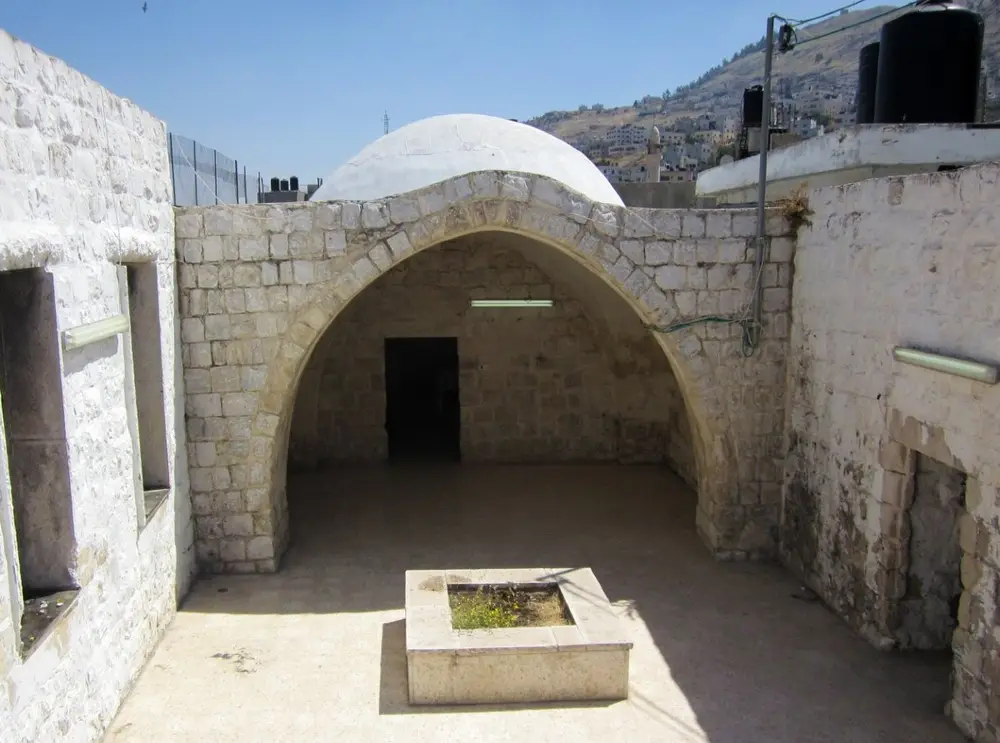
Joseph's Tomb (Kever Yosef), Shechem

Shechem (Nablus) – Samaria

Joseph's Tomb (Kever Yosef), Shechem

The traditional tomb of Yosef HaTzaddik in Shechem. Prayer there is possible only on organized night visits coordinated with the army.

How to get there and tips

How to get there: Never go on your own. Visits are organized by the Samaria Regional Council and Shechem Echad, at night, in armored buses with army protection, usually around Rosh Chodesh and the holidays.

Tip: Ask the Samaria Regional Council in advance whether visitors from abroad can join a specific visit. No visits on Shabbat. Always follow the soldiers' instructions.

Nature in the north: waterfalls and streams

Nature reserves and national parks much loved by families. All charge entry and their hours change with the season: check each park's page before you set out.

Ayun Stream Nature Reserve (Tanur Waterfall)

Upper Galilee – by Metula

Ayun Stream Nature Reserve (Tanur Waterfall)

A gorge with four waterfalls at the northern tip of the Galilee. The best known is the Tanur ("oven") Waterfall, about 30 m high; the Mill Waterfall is 21 m. There is a picnic area and paddling pools.

How to get there and tips

How to get there: By car: on the Kiryat Shmona–Metula road, about 1 km before Metula turn east for the Tanur Waterfall. From the southern parking area an accessible path, fine for strollers, leads to the falls.

Tip: There is usually more water in winter and spring. The long trail runs down from Metula and is not a loop. Crowded on Chol HaMoed. Paid entry; closes earlier on Friday. Border area: check the Home Front Command.

Official site
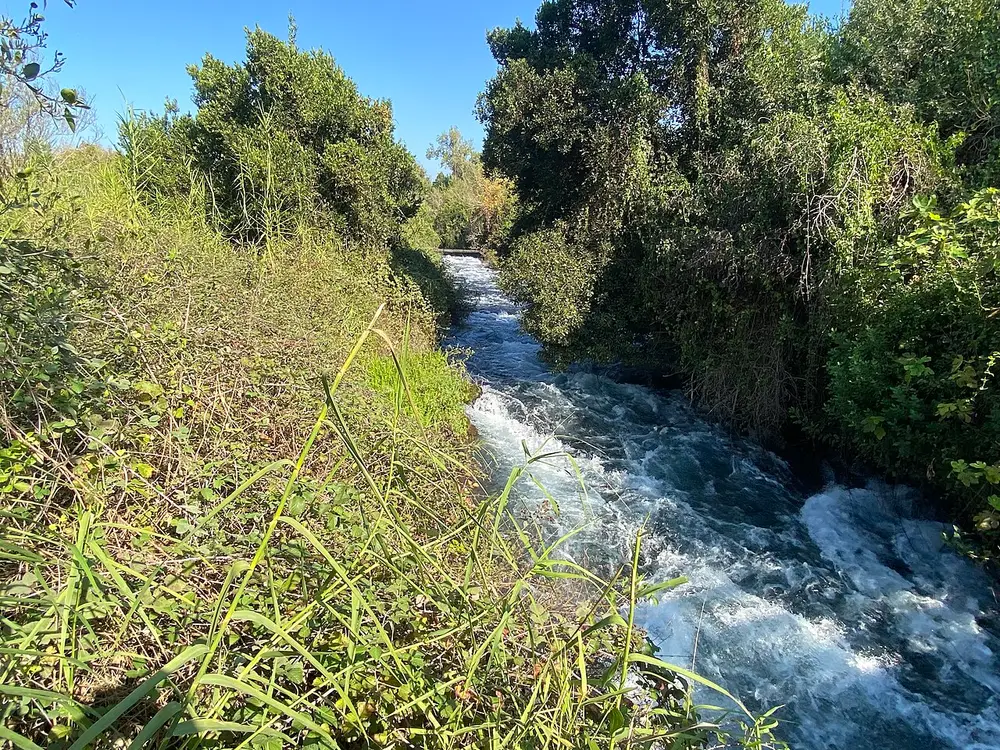
Snir Stream Nature Reserve (Hatzbani)

Upper Galilee – near Kiryat Shmona

Snir Stream Nature Reserve (Hatzbani)

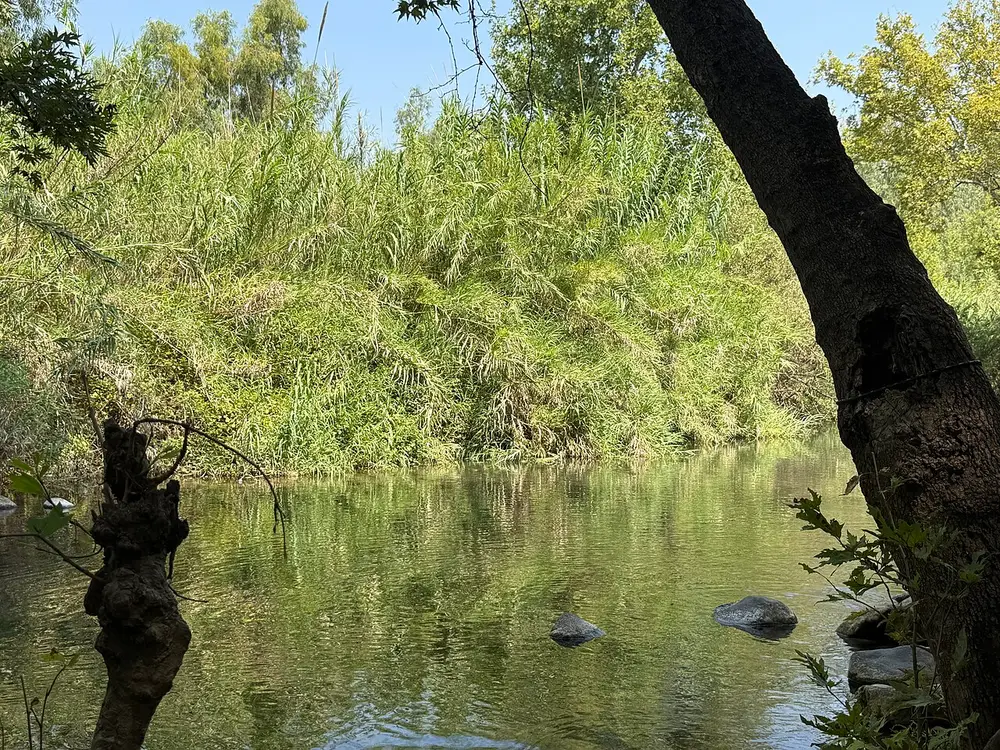
The longest tributary of the Jordan, flowing all year under a forest of plane trees. A 1 km trail runs along the stream past small waterfalls, and there is a wading pool.

How to get there and tips

How to get there: By car: from Metsudot Junction in Kiryat Shmona, 5 km east on Road 99 toward Kibbutz HaGoshrim, then follow the signs. The trail and wading pool are wheelchair accessible.

Tip: Great in summer for cooling your feet (only in the wading pool). In winter the trail sometimes closes because of the strong current. Crowded on Chol HaMoed. Paid entry; closes earlier on Friday.

Official site
Tel Dan Nature Reserve

Upper Galilee – by Kibbutz Dan

Tel Dan Nature Reserve

The Dan spring, the largest source of the Jordan, flows through a cool, shady forest. There is also the biblical city of Dan ("from Dan to Beersheba"), with a 7 m high Canaanite gate.

How to get there and tips

How to get there: By car: on Road 99 (Kiryat Shmona–Mas'ade), about 11 km east of Metsudot Junction, by Kibbutz Dan. An accessible path, fine for strollers, reaches the wading pool and the ancient gates.

Tip: Shade and cool water all year: a good choice on hot days. Wading only in the pool. Crowded on Chol HaMoed. Paid entry; closes earlier on Friday.

Official site
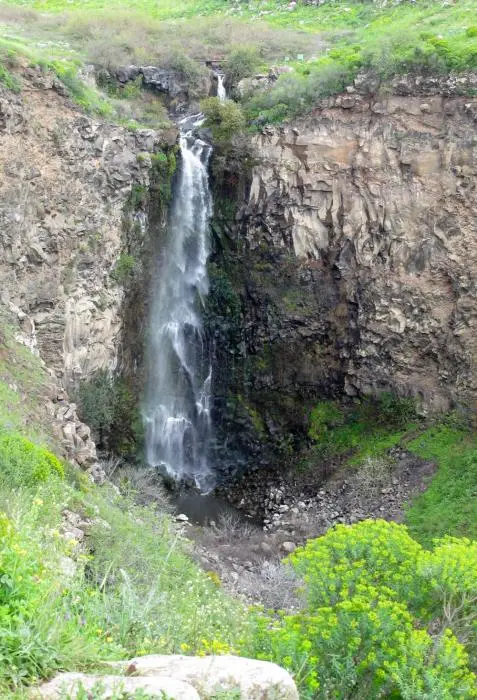
Gamla Nature Reserve

Golan Heights

Gamla Nature Reserve

In the middle of the Golan: Israel's highest waterfall (51 m), the country's largest griffon vulture colony, and the ruins of the ancient Jewish town of Gamla with the remains of its synagogue.

How to get there and tips

How to get there: By car: from Road 92 by the Kinneret, take Road 869 at Ma'ale Gamla Junction to Daliyot Junction; turn left onto Road 808 and after about 3 km turn left. About 15 minutes from the Kinneret.

Tip: An easy 1.5 km trail leads to the waterfall view; the vulture trail is paved and accessible. The descent to ancient Gamla is steep. No entering the water. Paid entry.

Official site
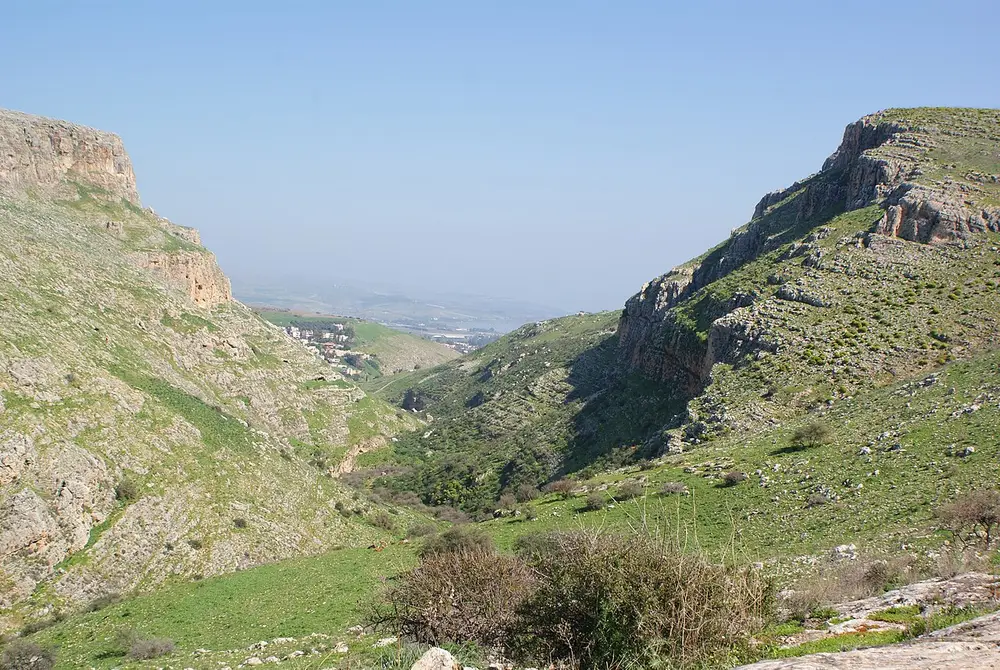
Arbel National Park (Mount Arbel)

Lower Galilee – above the Kinneret

Arbel National Park (Mount Arbel)

A cliff rising about 390 m above the Kinneret, with views over the whole lake, the Golan and Mount Hermon. By tradition Nitai HaArbeli of Pirkei Avot lived here; there are remains of an ancient synagogue.

How to get there and tips

How to get there: By car: from Road 77 (Tiberias–Golani), take Road 7717 at Kfar Hittim Junction; turn toward Moshav Arbel and, before its entrance, turn left for about 3.5 km.

Tip: The path to the lookout is easy for families; the trails down the cliff are for experienced hikers only. Slippery in rain. Bring water and a hat. Paid entry.

Official site
For the whole family

Jerusalem Biblical Zoo

Jerusalem – Malha

Jerusalem Biblical Zoo

A large zoo focused on the animals mentioned in the Tanach. Very popular with Haredi families during Bein HaZmanim and on Chol HaMoed.

How to get there and tips

How to get there: In the Malha neighborhood, southwest Jerusalem. Reach it by car, taxi or city bus. Paid entry: check hours and prices on the official site.

Tip: Extremely crowded on Chol HaMoed (in some years it asked the public not to come on peak days): arrive early. Shorter hours on Fridays and Erev Chag. Open on Shabbat.

Official site
Mea Shearim and Geula

Jerusalem – center

Mea Shearim and Geula

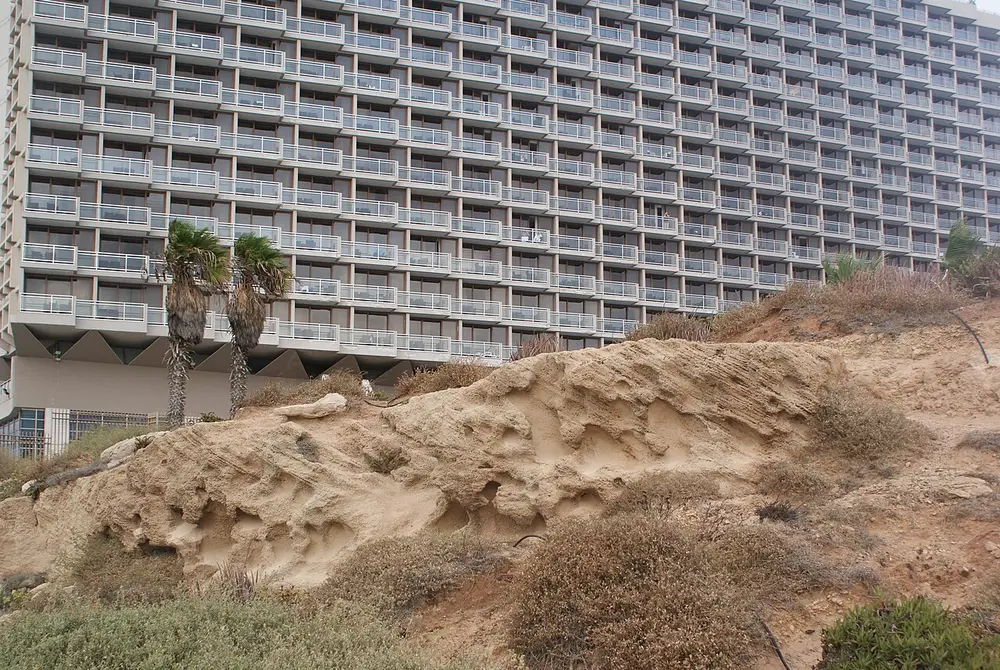
Jerusalem's historic Haredi neighborhoods, with seforim stores, Judaica, clothing and children's shops. A natural stop for religious families from abroad.

How to get there and tips

How to get there: In central Jerusalem, north of the downtown shopping area. Reach it on foot, by taxi or by city bus. Free.

Tip: Residents ask visitors, especially women, to dress modestly: legs, shoulders and elbows covered. Usually very busy on Thursday and Friday before Shabbat. Everything is closed on Shabbat.

Separate beaches

Beaches with separate days or hours for men and women. Days change, and the season runs mainly from May to October: confirm before you go. The Kinneret and Dead Sea separate beaches are in the main section.

Nordau Separate Beach (Tel Aviv)

Tel Aviv

Nordau Separate Beach (Tel Aviv)

Tel Aviv's walled separate beach, next to Hilton Beach. It has fixed days for women and for men.

How to get there and tips

How to get there: On Tel Aviv's northern seafront, next to Hilton Beach. By taxi or city bus; nearby parking is paid. Free entry.

Tip: Women: Sunday, Tuesday, Thursday. Men: Monday, Wednesday, Friday. Mixed on Saturday. Official season May to October, with lifeguards during the day.

Official site
Haifa Quiet Beach (Hof HaShaket)

Haifa

Haifa Quiet Beach (Hof HaShaket)

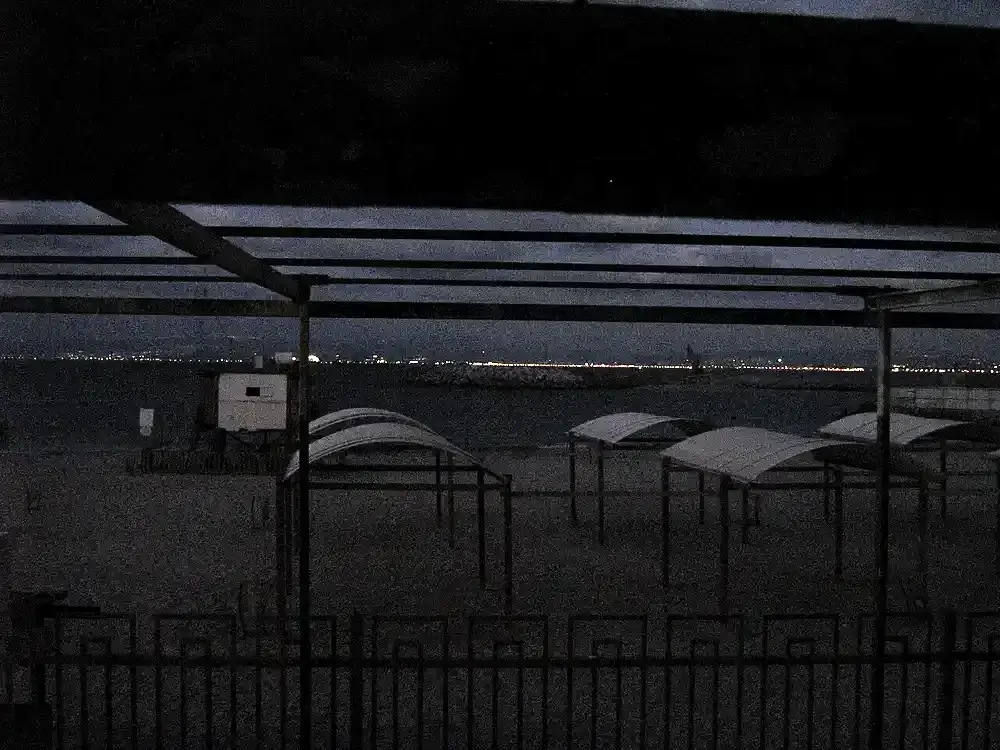
A separate beach near Rambam Hospital, with calm water behind a long breakwater: good for children.

How to get there and tips

How to get there: Near Rambam Hospital in western Haifa. By taxi or city bus.

Tip: Per travel guides: women Sunday, Tuesday, Thursday; men Monday, Wednesday, Friday; mixed on Saturday. Confirm with the municipality. Season roughly May to October.

Netanya Separate Beach (Kiryat Sanz)

Netanya

Netanya Separate Beach (Kiryat Sanz)

A separate beach below the Haredi neighborhood of Kiryat Sanz, away from the mixed beaches, with very strict modesty.

How to get there and tips

How to get there: Below Kiryat Sanz in Netanya. Reached by a long, steep stairway: hard with strollers.

Tip: Days alternate between men and women: confirm the schedule locally. Less well kept than other Netanya beaches. Open in the bathing season.

Herzliya Separate Beach

Herzliya

Herzliya Separate Beach

A small secluded cove, popular with families from Bnei Brak, with separate days for men and women.

How to get there and tips

How to get there: On the Herzliya coast, north of Tel Aviv; by car or taxi. There is no physical mechitza: separation is by days only.

Tip: Not separate on Shabbat. A larger separate beach is planned to replace the Tel Aviv and Herzliya ones: check which is open and the days before you go.

Ashdod Separate Beach

Ashdod

Ashdod Separate Beach

Ashdod's one separate beach: large and well kept, with separate access and a partition into the water. Men and women on different days.

How to get there and tips

How to get there: On the Ashdod coast, in the south of the country. By car, taxi or city bus.

Tip: Check with the municipality which days are for men and which for women. Open in the bathing season.

Calendar: what happens during your stay

Hilulot and special days, by Hebrew month. The civil dates change every year.

  1. Tishrei

    • 1–2 TishreiRosh HashanahThe KotelSelichot continue through the Ten Days of Repentance, around midnight.
    • Erev Rosh Hashanah and Erev Yom KippurHatarat NedarimThe KotelA central gathering at midnight in past years.
    • 9 Tishrei (Erev Yom Kippur)Visits to Rabbi Akiva and the RambamTiberiasOne of the busiest days at these graves.
    • Chol HaMoed SukkotBirkat Kohanim (Priestly Blessing)The KotelIn the morning; the exact time is published on the Western Wall Heritage Foundation site (thekotel.org). Arrive early: the plaza fills up and the Old City is usually closed to private cars.
    • Night after Simchat TorahHakafot ShniyotThe KotelMusic and dancing with the Torah in the plaza, at night.
  2. Cheshvan

    • 3 CheshvanHilula of Maran Rav Ovadia YosefSanhedria cemetery, JerusalemThe cemetery is open all night.
    • 11 CheshvanYahrzeit of Rachel ImeinuKever RachelTens of thousands; private cars are barred and shuttles run from Jerusalem.
    • 15 CheshvanYahrzeit of the Chazon IshShomrei Shabbos cemetery, Bnei Brak
    • 24 CheshvanHilula of the Zvhiller Rebbe (Rabbi Gedalya Moshe Goldman)Sheikh Badr cemetery, Givat Ram, Jerusalem
    • Shabbat Parashat Chayei SarahShabbat Chayei Sarah in HebronMe'arat HaMachpela, HebronTens of thousands spend Shabbat in Hebron: book lodging early.
  3. Kislev

    • 15 KislevHilula of Rabbi Yehuda HaNasiBeit She'arimHundreds through the night.
    • 25 Kislev to 2–3 TevetChanukah: menorah lightingThe Kotel
  4. Tevet

    • 20 TevetHilula of the RambamTiberiasA Rambam conference is held in Tiberias that week.
    • 29 TevetHilula of Rav Yitzchak KaduriHar HaMenuchot, Jerusalem
  5. Shevat

    • 4 ShevatHilula of the Baba SaliNetivotAround 100,000 people; police rules change every year.
  6. Adar

    • 15 Adar (Adar II in a leap year)Yahrzeit of Rav Chaim KanievskyShomrei Shabbos cemetery, Bnei Brak
  7. Nissan

    • 11 NissanHilula of the Shlah HaKadoshTiberias, near the Rambam
    • 13 NissanHilula of Rabbi Yosef Karo and the AlsheichTzfat old cemetery
    • Chol HaMoed PesachBirkat Kohanim (Priestly Blessing)The KotelUsually one day of Chol HaMoed, in the morning; the exact day and time are published on thekotel.org. Arrive early.
  8. Iyar

    • 14 Iyar (Pesach Sheni)Hilula of Rabbi Meir Baal HaNesTiberiasLarge crowds.
    • 18 Iyar (Lag BaOmer)Hilula of the Rashbi and upsherinMeron; in Jerusalem, the tomb of Shimon HaTzaddik
    • 26 IyarHilula of the RamchalTiberias, next to Rabbi Akiva
    • 28 IyarHilula of Shmuel HaNavi (also Yom Yerushalayim)Kever Shmuel HaNaviTens of thousands.
  9. Sivan

    • 6 Sivan (Shavuot)Yahrzeit of King DavidKever David, Mount Zion
    • 26 SivanHilula of Rabbi Yonatan ben UzielAmukaThousands of people.
  10. Tammuz

    • 7 TammuzYahrzeit of the Lev Simcha (Gerrer Rebbe)Har HaZeitim, Jerusalem
    • 15 TammuzHilula of the Ohr HaChaim HaKadoshHar HaZeitim, Jerusalem
    • 23 TammuzHilula of the Ramak (Rabbi Moshe Cordovero)Tzfat old cemetery
    • 28 TammuzYahrzeit of Rav Yosef Shalom ElyashivHar HaMenuchot, Jerusalem
  11. Av

    • 5 AvHilula of the Ari HaKadoshTzfat old cemetery
    • 9 AvTisha B'Av: Eicha and KinotThe KotelTens of thousands, many all night. The Old City is closed to private cars.
    • 10 Av to the end of the monthBein HaZmanimThroughout the countryHaredi family trip season: the zoo, beaches and Galilee graves are very crowded.
    • 15 Av (Tu B'Av)Prayer at AmukaAmuka
    • 21 AvYahrzeit of Rabbi Aharon Rokeach of BelzHar HaMenuchot, Jerusalem
    • 23 AvYahrzeit of the SteiplerShomrei Shabbos cemetery, Bnei Brak
  12. Elul

    • From Rosh Chodesh Elul (Sephardim); from the Motzaei Shabbat before Rosh Hashanah (Ashkenazim)SelichotThe KotelAround midnight; tens of thousands on the main nights. Coming earlier in Elul helps spread the crowds.

Before travelling to any site, check the Home Front Command (Pikud HaOref, oref.org.il) instructions and the site's own page.

With your SHALOM line, your Israeli number and data work on the way: use Waze for driving and Moovit for buses and trains. Have a safe trip, full of blessing!